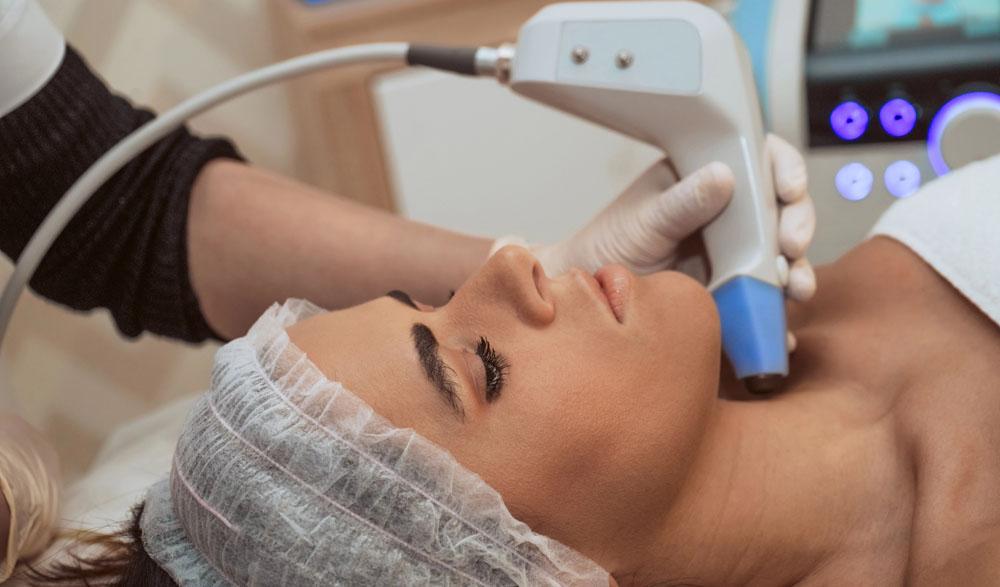
If you’re considering RF microneedling for acne scars, uneven skin texture, or early signs of sagging, you’ve probably come across two popular treatments: Potenza and Morpheus8. Both use radiofrequency energy to stimulate collagen production, but they differ in how that energy can be delivered and which treatment settings are available.
Choosing between them isn’t as simple as deciding which device penetrates deeper or produces more dramatic results. Your skin thickness, existing facial volume, scar patterns, and treatment goals all influence which approach makes sense.
At Castle Dermatology Institute, we offer both Potenza and Morpheus8 for patients in Encino and surrounding communities. Our dermatology team evaluates your skin before recommending a treatment, with particular attention to the concerns you’re trying to correct and the risks associated with different treatment depths.
For some patients, improving texture is the priority. Others are more concerned about loose skin around the jawline or changes in facial contours. Understanding what each device can accomplish, and where its limitations begin, can help you make a more informed decision.
How Does RF Microneedling Improve Skin Texture and Firmness?
Radiofrequency microneedling combines two methods of stimulating the skin’s repair process. Fine needles create controlled punctures, while radiofrequency energy produces heat within the treated tissue.
This controlled injury encourages collagen remodeling over time. Collagen provides structural support to the skin, and changes in its organization can contribute to wrinkles, acne scars, and reduced firmness.
Unlike traditional microneedling, which relies primarily on the mechanical action of needles, RF microneedling adds thermal energy at selected depths. This may provide additional benefits for certain skin concerns, particularly when mild laxity accompanies uneven texture.
However, adding heat doesn’t automatically make treatment more effective. Traditional microneedling may be sufficient for some superficial concerns, while deep acne scars or substantial skin sagging may require other procedures.
The important question is which structures need treatment and how much energy can be delivered safely.
Also Read: RF Microneedling Explained: How Morpheus8 and Potenza Transform Your Skin
Potenza RF Microneedling: More Options for Customized Treatment
Potenza RF microneedling uses fine needles to deliver radiofrequency energy beneath the skin. Its adjustable technology allows providers to select different energy configurations and treatment depths based on the area being treated.
One of Potenza’s distinguishing features is its four RF modes, combining monopolar and bipolar energy with 1 MHz and 2 MHz frequencies. These options affect how energy is distributed through the tissue.
Potenza also offers specialized treatment tips. The Tiger Tip is designed to deliver energy at multiple depths during a single insertion, while the Fusion Tip is designed to facilitate the application of topical products during treatment.
The availability of these features doesn’t mean every patient needs them. Combining microneedling with topical products requires separate consideration of safety, suitability, and evidence. The FDA has not cleared microneedling devices for use in combination with another product.
When Might Potenza Be a Good Choice?
Potenza may be considered for concerns such as uneven texture, enlarged-looking pores, fine lines, certain depressed acne scars, and mild skin laxity.
For example, someone with lingering acne scars across the cheeks may benefit from a treatment plan that addresses the depth and distribution of those scars. A patient with fine lines and early changes in firmness may require a different set of treatment parameters.
Potenza’s range of settings allows our team to adjust treatment according to the skin being treated rather than applying the same approach to every area.
That flexibility is useful, but it doesn’t make Potenza universally better for acne scars or safer for every skin type. Appropriate treatment still depends on skin anatomy, medical history, and careful energy selection.
Morpheus8: Treating Skin Texture and Deeper Tissue
Morpheus8 combines microneedling with fractional bipolar radiofrequency energy. Depending on the treatment configuration, it can deliver heat into the dermis and deeper tissue.
The technology is used to address concerns such as skin texture, fine lines, and laxity. Certain treatment configurations may also affect the tissue beneath the skin, including subcutaneous fat.
This deeper treatment capability is one reason Morpheus8 is frequently discussed for changes around the lower face and jawline. However, the depth and intensity of treatment must be selected carefully.
Not every patient benefits from heating deeper tissue. Someone with naturally thin cheeks or existing facial volume loss may be concerned about changes that make the face appear more hollow.
When Might Morpheus8 Be a Good Choice?
Morpheus8 may be considered when mild to moderate skin laxity is a prominent concern, particularly when texture changes are also present.
A patient noticing early looseness along the lower face may have different treatment needs from someone whose primary concern is shallow acne scarring.
Morpheus8 offers settings that can address different tissue depths, but deeper treatment isn’t always necessary or desirable. The treatment area, existing fat distribution, and skin thickness help determine how it should be used.
It’s also important to recognize the limitations of RF microneedling. Significant sagging or substantial excess skin generally cannot be corrected to the same degree as with surgical lifting procedures.
Potenza vs. Morpheus8: Which Is Better for Your Skin Concerns?
Both treatments can improve certain aspects of skin texture and firmness. The distinction isn’t that Potenza treats the surface while Morpheus8 treats only deeper tissue. Their capabilities overlap considerably.
The decision becomes more meaningful when you consider the problem you’re trying to solve.
For Acne Scars and Uneven Texture
Potenza and Morpheus8 may both be useful for selected atrophic acne scars, particularly when collagen remodeling can improve the appearance of depressed areas.
However, acne scars aren’t all alike.
Rolling scars create broad, uneven depressions and may be held down by fibrous attachments beneath the skin. These attachments sometimes need to be released through a procedure called subcision before other treatments can produce meaningful improvement.
Boxcar scars have more defined edges, while narrow ice-pick scars extend deeper into the skin. Certain ice-pick scars may respond better to targeted techniques such as TCA CROSS or other scar-specific procedures.
Dark marks left after acne are different from depressed scars. These areas of post-inflammatory hyperpigmentation require a different assessment and may not benefit from aggressive RF treatment.
At Castle Dermatology Institute, we evaluate the type and depth of scarring before discussing acne scar treatment. In some cases, a combination of procedures may be more appropriate than RF microneedling alone.
For Loose Skin and Early Sagging
If your primary concern is reduced firmness, either device may be considered.
Morpheus8 offers treatment configurations that can reach deeper tissue, which may be relevant for selected patients with laxity around the lower face. Potenza also provides RF settings intended to support collagen remodeling and improve skin firmness.
The appropriate choice depends on the degree of laxity and the amount of underlying facial volume.
For someone with fuller cheeks and early skin looseness, treatment planning may differ from that of a patient with thin skin and prominent facial hollows.
More energy isn’t necessarily more effective. Excessive or poorly targeted heating can create unwanted tissue changes, so the treatment must be matched to the individual patient.
For Fine Lines and Enlarged-Looking Pores
Both Potenza and Morpheus8 may improve the appearance of fine lines and uneven skin texture by stimulating collagen remodeling.
Potenza’s adjustable RF modes and treatment tips provide several options for addressing different skin areas. Morpheus8 also offers customizable treatment parameters for texture-related concerns.
Neither device can permanently eliminate pores or stop the skin’s natural aging process. Improvements are generally gradual, and maintenance may be needed.
If your concerns are relatively mild, your dermatologist may also discuss whether traditional microneedling or another less intensive procedure would be sufficient.
For Patients With Existing Facial Volume Loss
This is one of the most important considerations when comparing RF microneedling treatments.
Facial fat contributes to the fullness and contours of the cheeks, temples, and lower face. As volume decreases with age, the skin may appear thinner or less supported.
Heating tissue too deeply or aggressively may cause unwanted fat loss. This risk deserves particular attention in patients who already have hollow cheeks or limited facial volume.
Neither Potenza nor Morpheus8 should be considered automatically risk-free in this situation. The treatment plan must account for the depth of the targeted tissue and the possibility of unintended effects.
For some patients, a different procedure may be more appropriate than RF microneedling.
Also Read: Potenza RF Microneedling vs Laser Treatments: Which One Makes More Sense?
Can RF Microneedling Cause Facial Fat Loss or Other Complications?
RF microneedling is a medical procedure, and the risks should be discussed before treatment.
In October 2025, the U.S. Food and Drug Administration issued a safety communication about radiofrequency microneedling. The agency reported receiving information about serious complications associated with certain uses of RF microneedling devices, including burns, scarring, unwanted fat loss, disfigurement, and nerve damage.
These reports do not establish that every device carries the same level of risk or that one treatment is necessarily more dangerous than another. They do reinforce the importance of appropriate patient selection, treatment settings, and provider training.
More common short-term effects include redness, swelling, tenderness, bruising, and temporary needle marks. Some patients may also develop post-inflammatory hyperpigmentation, particularly if their skin is prone to pigment changes after inflammation.
Before treatment, tell your provider about previous cosmetic procedures, skin infections, unusual scarring, medications, implanted electronic devices, or conditions that affect healing.
If you develop blistering, severe or worsening pain, unexpected facial hollowing, or other concerning changes after treatment, contact your treating provider promptly.
What to Expect During RF Microneedling at Castle Dermatology
Your appointment begins with an evaluation of your skin concerns and medical history. We examine the treatment area, looking at factors such as skin thickness, acne scar patterns, pigmentation risks, and existing facial volume.
This assessment helps us determine whether Potenza, Morpheus8, or another treatment is appropriate.
Preparing for Your Appointment
Before treatment, we review relevant medications, allergies, prior procedures, and skin conditions that may affect healing.
If you have active skin irritation or infection, treatment may need to be postponed. Your provider will also explain whether any skincare products or medications should be adjusted before the procedure.
Topical numbing cream is commonly used to reduce discomfort. Be sure to mention any previous reactions to local anesthetics or numbing products.
During the Procedure
The treatment area is cleaned, and your provider selects the needle depth and radiofrequency settings based on the treatment plan.
As the device passes over the skin, you may feel pressure, warmth, or brief pinching. Sensitivity varies depending on the area treated and the energy settings used.
The duration of the appointment depends on the treatment area and whether additional procedures are planned.
Although both devices use similar underlying principles, the treatment experience may differ based on the selected configuration and your skin’s response.
Recovery and Aftercare
Redness, swelling, and mild tenderness are common immediately after RF microneedling. Some patients experience temporary bruising or small needle marks.
These effects often improve over several days, although deeper or more intensive treatment may require additional recovery time.
Your skin may be more sensitive to sunlight and certain skincare ingredients while healing. Follow the aftercare instructions provided by your dermatologist, including guidance on cleansing, moisturizing, sun protection, and when to resume active skincare products.
Avoid assuming that a shorter recovery period means the treatment was ineffective. Skin response and downtime vary considerably between patients.
How Soon Will You See Results From Potenza or Morpheus8?
Some patients notice changes in their skin’s appearance as early swelling resolves, but collagen remodeling takes longer.
Improvements in texture and firmness generally develop over several weeks to months. The extent of improvement depends on the original concern, treatment settings, and individual healing response.
Acne scars may require more than one treatment session, particularly when the scarring is deep or involves several different scar types.
Patients seeking mild tightening may also benefit from a series of treatments, but there is no universal number of sessions that guarantees a particular outcome.
Your dermatologist can assess your response before recommending additional treatment.
Why Choose Castle Dermatology for RF Microneedling Near Encino?
The choice between Potenza and Morpheus8 should begin with a clinical evaluation, not a preference for one device’s marketing claims.
At Castle Dermatology Institute, our board-certified dermatologists assess skin anatomy, scar patterns, pigmentation risks, and facial volume when discussing treatment options.
We offer both Potenza and Morpheus8, allowing us to consider different treatment approaches based on your concerns rather than relying on a single device for every patient.
Our practice provides medical and cosmetic dermatology care at our Tarzana office, serving patients from Encino and nearby communities.
We also recognize when RF microneedling may not be the most effective option. Certain acne scars need targeted scar revision, and significant skin laxity may require a different approach.
The goal is to recommend treatment that addresses your concerns while providing a realistic discussion of benefits, limitations, recovery, and potential risks.
Also Read: Potenza RF Microneedling for Skin Tightening and Scar Healing: Double the Benefits
Frequently Asked Questions About Potenza and Morpheus8
What Is the Main Difference Between Potenza and Morpheus8?
Potenza offers four RF modes and specialized tips that allow different approaches to energy delivery. Morpheus8 uses fractional bipolar RF technology with configurations capable of treating skin and deeper tissue. Both can address texture and certain forms of skin laxity. The best choice depends on your skin concerns, anatomy, and treatment goals.
Is Potenza Better Than Morpheus8 for Acne Scars?
Not necessarily. Both devices may improve certain depressed acne scars, but the type and depth of scarring matter more than the device name alone. Rolling scars may need subcision, while ice-pick scars may require targeted treatment. A dermatologic evaluation helps determine which approach is most appropriate.
Is Morpheus8 Better for Skin Tightening?
Morpheus8 offers treatment configurations that can reach deeper tissue, which may be useful for selected tightening concerns. However, Potenza can also improve skin firmness through collagen remodeling. Neither treatment replaces surgery for significant sagging, and deeper treatment isn’t automatically better.
Can Morpheus8 Cause Unwanted Facial Fat Loss?
Yes. Unwanted fat loss has been reported with certain RF microneedling procedures. This is an important consideration when treating areas with limited facial volume, such as hollow cheeks. Appropriate treatment depth, energy selection, and patient assessment help inform risk management but cannot eliminate all complications.
Can Potenza Also Affect Facial Fat?
Potentially. RF microneedling devices deliver heat into tissue, and the risk of unintended effects depends on treatment depth, energy settings, and anatomy. Potenza should not be assumed to carry no risk of fat loss simply because it offers different energy configurations. Your dermatologist should evaluate existing facial volume before treatment.
Is RF Microneedling Painful?
Most patients experience some warmth, pressure, or pinching during treatment. Topical numbing cream is commonly used to improve comfort, although it may not eliminate every sensation. Discomfort varies with the treatment area, settings, and individual sensitivity.
How Many Potenza or Morpheus8 Sessions Will I Need?
The number of sessions depends on your skin concerns and response to treatment. Mild texture changes may require a different plan from extensive acne scarring or skin laxity. Your dermatologist can recommend an initial treatment approach and reassess whether additional sessions are appropriate.
How Long Is Recovery After RF Microneedling?
Redness, swelling, and tenderness commonly improve over several days, but recovery varies. Bruising, temporary needle marks, and prolonged sensitivity may occur, especially after more intensive treatments. Follow your provider’s aftercare instructions and report unexpected symptoms.
Is RF Microneedling Safe for Darker Skin Tones?
RF microneedling may be an option for a range of skin tones, including darker skin, but it is not risk-free. Post-inflammatory hyperpigmentation and other complications remain possible. Your dermatologist should consider your pigmentation history, skin condition, and treatment settings before recommending a procedure.
Can RF Microneedling Be Combined With PRP or Skincare Products?
Some treatment systems include features intended to facilitate topical product application. However, the FDA has not cleared microneedling devices for use in combination with another product, and the safety and effectiveness of specific combinations require separate consideration. Your dermatologist can explain the evidence and risks before recommending any combined approach.
How Do I Know Which RF Microneedling Treatment Is Right for Me?
Start with a dermatology consultation. Your provider should evaluate the type of skin concern, its severity, your skin thickness, existing facial volume, pigmentation risks, and medical history. These findings help determine whether Potenza, Morpheus8, or another procedure offers the most appropriate approach.
Where Can I Get Potenza or Morpheus8 Near Encino?
Castle Dermatology Institute offers Potenza and Morpheus8 at its Tarzana office for patients from Encino and surrounding communities. During your consultation, our dermatology team can assess your skin and discuss which treatment may be appropriate for your concerns.
Schedule Your RF Microneedling Consultation Near Encino
Potenza and Morpheus8 offer different ways to address skin texture, acne scars, and early signs of laxity. Their capabilities overlap, but their treatment configurations may make one approach more appropriate for your particular concerns.
If you’re dealing with persistent acne scarring, uneven skin texture, or changes in firmness, the first step is understanding what is happening beneath the skin and which treatment can address it safely.
At Castle Dermatology Institute, we offer both technologies and evaluate your skin before recommending treatment. Our Tarzana office welcomes patients from Encino seeking dermatologist-guided cosmetic care.
Contact Castle Dermatology Institute to schedule your RF microneedling consultation and learn whether Potenza or Morpheus8 is right for you.
Medical Disclaimer: This article is intended for general educational purposes and does not replace an individualized medical evaluation. RF microneedling results and risks vary according to skin characteristics, medical history, treatment settings, and other factors. Consult a qualified dermatology professional to determine whether treatment is appropriate for you.