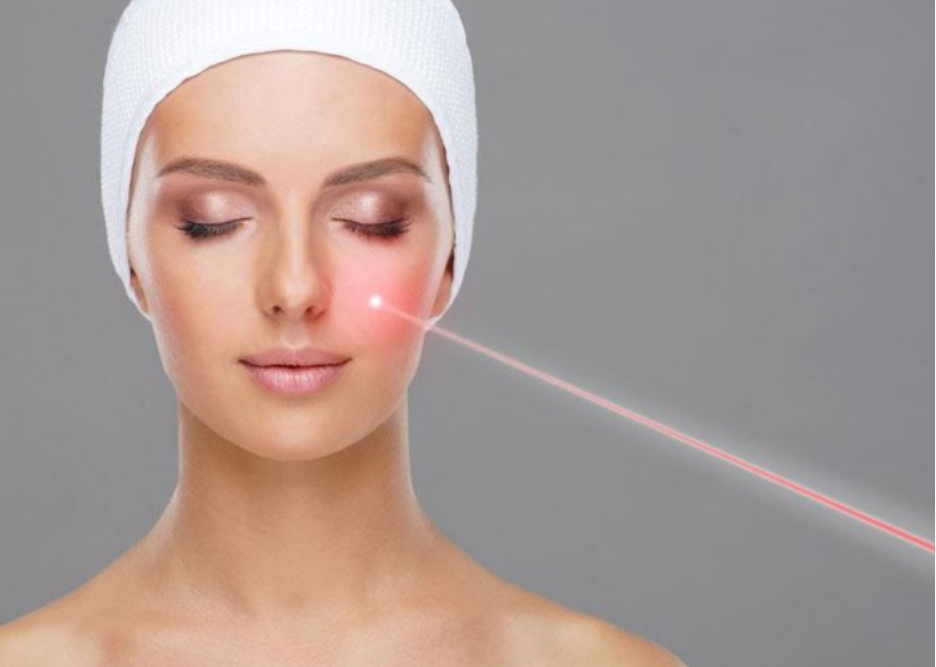
When patients start researching skin rejuvenation, the comparison between RF microneedling and laser treatments almost always comes up. That makes sense. Both are used to improve skin texture, reduce visible signs of aging, and address concerns such as acne scars and uneven tone. Because they are often recommended for similar goals, many patients assume they deliver results in the same way.
In practice, they work differently and are better suited to different concerns. Potenza RF microneedling delivers radiofrequency energy below the skin surface through microneedles, targeting the deeper layers where collagen is produced. Laser treatments primarily use light energy to interact with the surface or specific layers of the skin, depending on the device.
The choice is rarely about which treatment is better in general. It comes down to what the skin actually needs, what the patient is willing to tolerate in terms of downtime, and whether the concern lives closer to the surface or deeper in the tissue.
Why Potenza RF Microneedling and Laser Treatments Are Often Compared
Shared Goals Between the Two Treatments
Both treatments stimulate collagen production and can improve concerns such as fine lines, texture irregularities, and certain types of acne scarring. The difference lies in how they achieve those results and which skin concerns they target most effectively.
The Major Difference Patients Often Overlook
Laser treatments work by using light energy to interact with targeted layers of the skin. Depending on the device, that energy can remove thin layers of the surface, target pigmentation, or penetrate deeper to stimulate collagen. The mechanism is primarily surface-focused or surface-initiated.
Potenza RF microneedling, by contrast, uses microneedles to deliver radiofrequency heat directly into the dermis, bypassing the surface layer almost entirely. This controlled thermal stimulation works from the inside out. Because there is less surface disruption, the pigmentation risk and visible recovery tend to be lower, especially for patients with darker skin tones.
Also Read: Potenza RF Microneedling: Trend-Driven Treatment or Consistent Skin Strategy?
Why Some Providers Prefer Potenza for Darker Skin Tones
Because Potenza delivers energy beneath the skin rather than through light-based surface interaction, it carries a lower risk of post-inflammatory hyperpigmentation in appropriate candidates. For patients with medium to darker skin tones who are concerned about pigmentation side effects from laser treatments, RF microneedling is often a safer starting point.
This does not mean laser treatments are inappropriate for darker skin types. Proper device selection and provider experience remain important considerations. It means the selection process requires more attention to device settings, patient history, and provider experience.
Potenza RF Microneedling vs. Laser Treatments: What Patients Usually Care About Most
Downtime and Recovery
Potenza RF microneedling is generally associated with shorter, more manageable downtime. Most patients experience redness and mild swelling for one to two days. Normal activities are usually possible shortly after treatment.
Laser recovery depends heavily on the device and the settings used. Some patients return to their routine within a few days, while others with more intensive treatments may need longer. When patients say they cannot take time away from work or daily life, RF microneedling often enters the conversation first.
Pain and Treatment Comfort
Both treatments use topical numbing cream before the procedure. Most patients describe Potenza as tolerable, with a sensation of heat and some pressure during treatment. Laser treatments vary. Light sessions feel similar, while more aggressive resurfacing can involve more significant discomfort during and after.
Treatment tolerability is personal, and providers adjust settings based on the patient’s comfort level and clinical need. Neither option should be expected to be pain-free, but both are designed to be manageable.
Skin Tone and Pigmentation Risk
This is one of the most clinically important considerations, and one that patients with melasma-prone or darker skin tones should discuss thoroughly before choosing a treatment. Certain laser devices, particularly ablative ones, carry a higher risk of triggering or worsening pigmentation in patients with more melanin in their skin.
Potenza RF microneedling’s sub-surface energy delivery makes it a more commonly recommended starting point for these patients. That said, experienced providers can perform laser treatments safely across a range of skin types when the device and settings are chosen carefully. The key is individualized assessment, not blanket avoidance.
Also Read: How Potenza RF Microneedling Fits Into Long-Term Skin Health Plans
Texture Improvement vs Pigmentation Correction
If the primary concern is skin texture, including rough surface feel, acne scarring, or early laxity, RF microneedling often performs well. Collagen remodeling at depth is what drives improvement in these areas, and Potenza’s mechanism is well-aligned with that goal.
If the primary concern is pigmentation, including sunspots or discoloration, laser treatments may be more effective. Light-based energy interacts directly with pigment in ways that RF microneedling does not. Choosing the wrong treatment for the wrong concern is one of the most common sources of disappointment.
Number of Sessions Needed
Both treatments typically require multiple sessions for optimal results. Potenza is commonly performed as a series, while laser treatment recommendations vary depending on the concern and technology used. In either case, collagen remodeling takes time, and maintenance treatments may be recommended.
When Potenza RF Microneedling May Make More Sense
Patients who want improvement without looking visibly treated for days or weeks often respond well to RF microneedling as a starting point. The shorter recovery period fits more easily into busy schedules.
Acne scar remodeling is one of the areas where Potenza tends to have a clinical advantage. Scars that involve deeper structural disruption in the skin respond to the collagen remodeling that RF microneedling initiates at depth. RF microneedling for acne scars has become a common recommendation precisely because the mechanism targets the right layer.
Mild skin laxity and early aging concerns are also well-suited to Potenza. Patients who want to support their skin’s structural integrity before more advanced aging develops often find this treatment fits into a longer-term maintenance approach. For patients with pigmentation concerns or a history of hyperpigmentation reactions, Potenza is often the safer first step.
When Laser Treatments May Be the Better Option
Laser treatments tend to be the better choice when the primary concern is surface-level. Patients with significant sun damage, visible discoloration, or uneven skin tone may see faster and more targeted improvement from a light-based treatment. Fractional laser resurfacing can address these concerns in ways that RF microneedling alone may not fully replicate.
Patients with deeper wrinkles or more advanced texture irregularities may also benefit more from an aggressive resurfacing approach, provided they are willing to commit to the recovery timeline.
An important nuance: not all lasers are created equal. Choosing laser resurfacing as a category is not the same as selecting the right device and intensity for a specific patient. Treatment selection matters as much as the technology itself.
What Patients Often Overlook Before Choosing a Treatment
Provider experience and proper skin assessment often matter as much as the technology itself. What appears to be a texture issue may actually be related to laxity, while pigmentation concerns can have different underlying causes. Choosing a treatment based solely on social media results or someone else’s experience may not produce the same outcome for your skin.
Also Read: Is RF Microneedling Better Than Fillers for Skin Texture and Tightening?
No Universal Answer, Just the Right Fit for Your Skin
The better treatment depends on the specific concern being treated. Patients focused on acne scars, mild laxity, or collagen stimulation may benefit from Potenza RF microneedling, while those primarily concerned with pigmentation, sun damage, or surface-level texture changes may be better candidates for laser resurfacing. In many cases, a customized combination approach delivers the most comprehensive result.
The right choice depends on the concern being treated, skin type, downtime preferences, and treatment goals. In some cases, combining both approaches may provide the best outcome.
Patients considering non-surgical skin rejuvenation at Castle Dermatology in Tarzana can schedule a consultation to get a clearer picture of which approach, or combination of approaches, makes the most sense based on an individualized skin assessment.