Why Potenza RF Microneedling Suddenly Seems Everywhere
Over the last few years, Potenza RF microneedling has moved from being a treatment mostly discussed inside dermatology offices to something patients now see constantly online. TikTok videos showing post-treatment redness, influencer conversations about “preventative aging,” and before-and-after texture transformations have pushed RF microneedling into mainstream aesthetic culture very quickly.
That level of visibility naturally creates skepticism. Patients often wonder whether Potenza treatment is genuinely useful for long-term skin rejuvenation or if it simply became the latest aesthetic trend because it photographs well on social media.
In practice, the answer is more nuanced than either extreme. The increased attention to Potenza RF microneedling did not happen by chance. Much of its popularity reflects a larger shift happening in aesthetic dermatology. Patients are increasingly interested in collagen-focused treatments that gradually improve skin quality over time rather than dramatically changing facial appearance overnight.
That distinction matters because Potenza RF microneedling works very differently from treatments designed around immediate correction or obvious transformation.
What Potenza RF Microneedling Actually Does
Controlled Microneedling + Radiofrequency Energy
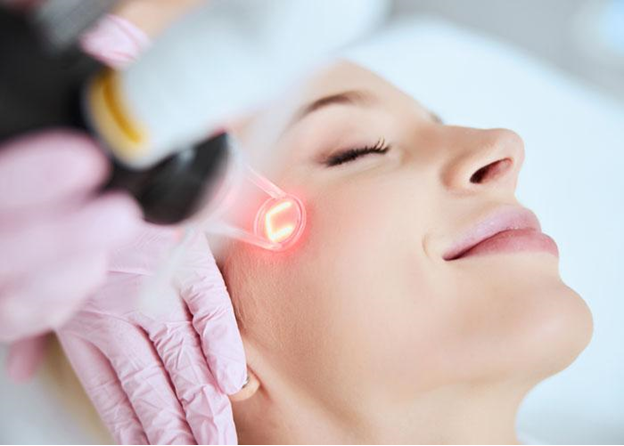
Potenza RF microneedling combines controlled microneedling with radiofrequency heat delivered into deeper layers of skin. The microneedles create tiny, precise injuries while the radiofrequency energy stimulates tissue remodeling beneath the surface.
The treatment is designed around collagen induction rather than surface-level exfoliation. Instead of aggressively removing layers of skin, RF microneedling encourages the skin to gradually rebuild and strengthen itself over time.
In practice, what patients often notice first is not dramatic lifting or immediate wrinkle removal. More commonly, the skin begins to look smoother, more refined, and healthier several weeks after treatment as collagen remodeling continues.
Targeting Texture and Early Skin Changes
Potenza RF microneedling tends to perform best in patients with early-to-moderate skin quality concerns. Mild acne scarring, rough texture, enlarged pores, fine lines, and early laxity are common reasons patients explore treatment.
This tends to work particularly well in patients whose skin still has decent structural support but is beginning to show collagen decline. The goal is often maintenance and gradual improvement rather than correction of advanced aging.
This is also why Potenza RF microneedling for acne scars has gained attention. The treatment supports deeper remodeling in areas where the skin structure has become uneven during healing.
Gradual Skin Remodeling
One of the biggest misunderstandings surrounding RF microneedling is timeline expectations. Social media often compresses months of progress into a short video clip, which can create unrealistic expectations about how quickly skin changes.
Collagen remodeling is a gradual biological activity. It does not happen overnight. Patients usually see progressive changes over several weeks or months rather than one dramatic transformation immediately after treatment.
In practice, this slower progression is often what makes the outcome look more natural.
Also Read: How Potenza RF Microneedling Fits Into Long-Term Skin Health Plans
Why “Trend-Driven” Doesn’t Always Mean Temporary
Some aesthetic treatments become popular primarily because they create highly visible short-term changes. Others gain traction because they align with larger long-term shifts in how patients think about aging and skin maintenance.
RF microneedling has become more popular, in part, because many patients no longer want treatments that drastically alter facial shape or create an overfilled appearance. There has been a noticeable movement toward improving skin quality itself rather than relying entirely on volume correction or aggressive resurfacing.
That shift is important. Treatments centered around collagen stimulation tend to fit naturally into prevention-focused aesthetic care. Instead of chasing dramatic correction later, patients are increasingly interested in maintaining skin quality earlier.
Potenza RF microneedling Tarzana patients explore today often reflects that mindset. The treatment appeals to people who want their skin to age more gradually rather than trying to reverse significant changes all at once.
The Shift Toward Maintenance-Based Aesthetic Treatment
Patients Starting Earlier
Dermatology providers are seeing more patients in their late twenties, thirties, and early forties seeking preventative anti-aging treatment rather than waiting until advanced signs of aging appear.
In practice, these patients are usually not trying to erase severe wrinkles. They are trying to maintain collagen quality before major structural decline occurs.
Collagen Preservation Becoming a Bigger Focus
Skin quality has become a larger part of aesthetic conversations. Texture, elasticity, pore visibility, and overall skin tone now matter to many patients as much as wrinkle correction.
This is one reason collagen-focused treatments continue growing in popularity. Patients increasingly understand that healthier collagen often supports healthier-looking skin overall.
Less Interest in Overdone Cosmetic Results
Another major change involves aesthetic preference. Many patients now want subtle improvements that accumulate gradually instead of highly noticeable cosmetic changes.
Potenza RF microneedling often fits well within this approach because the results tend to look progressive rather than abrupt.
What Patients Often Expect Too Quickly
One of the most common issues in aesthetic consultations involves expectations around timing. Patients frequently expect a single RF microneedling session to fully reverse years of collagen decline or dramatically tighten the skin immediately.
In practice, collagen induction treatments rarely work that way.
What patients often notice after one treatment is some improvement in texture and overall skin quality. More significant changes usually require a treatment series combined with time for collagen remodeling to occur naturally.
Another challenge comes from comparing real skin outcomes to filtered social media content. Online before-and-after images often fail to reflect differences in lighting, editing, makeup, or timeline.
Real skin rejuvenation usually develops more gradually and more subtly than online content suggests.
Also Read: Potenza RF Microneedling vs Laser Treatments: Which Is Better for Skin Renewal?
Who Usually Benefits Most From Potenza RF Microneedling
Early Texture and Tone Changes
Patients with rough texture, enlarged pores, mild acne scarring, or uneven skin tone often respond well to RF microneedling. These concerns involve changes in collagen structure that can gradually improve through tissue remodeling.
Mild Skin Laxity
Potenza treatment can also help patients experiencing early collagen loss and mild laxity. This tends to work best in patients who are beginning to notice changes in skin firmness but do not yet have advanced sagging.
Patients Interested in Long-Term Skin Maintenance
People who approach skin rejuvenation from a maintenance perspective often make strong candidates for RF microneedling. They usually understand that the goal is gradual support of skin quality rather than a dramatic overnight transformation.
That said, Potenza is not necessarily ideal for every degree of skin aging. Advanced laxity or significant structural descent may require entirely different treatment approaches.
Why Consistency Matters More Than One Treatment
A common mistake is approaching RF microneedling like a single-event cosmetic procedure. Patients sometimes assume one treatment will permanently fix texture, laxity, or signs of aging.
In practice, Potenza RF microneedling usually works better as part of an ongoing skin strategy.
Collagen stimulation is cumulative. Treatment series often produce better outcomes because the skin continues rebuilding with repeated stimulation over time. Maintenance sessions may then help support those improvements as natural collagen declines with age.
This long-term perspective tends to produce more realistic expectations and more sustainable results.
What Social Media Often Leaves Out About RF Microneedling
Downtime Still Exists
Although RF microneedling generally involves less downtime than more aggressive resurfacing procedures, recovery still exists. Redness, sensitivity, swelling, and temporary changes in texture are common immediately after treatment.
Results Vary by Skin Condition
Not all patients produce collagen the same way. Age, inflammation levels, acne scar severity, and overall skin condition influence how the skin responds.
What patients often underestimate is how individualized collagen remodeling actually is.
Skin Quality Changes Are Usually Gradual
Viral treatment videos tend to focus on immediate reactions rather than long-term progression. In reality, meaningful skin rejuvenation often appears progressively over time rather than instantly.
That slower improvement is part of what makes collagen-based treatment strategies feel more natural.
Potenza RF Microneedling vs. Chasing Every New Trend
Trend-driven treatments often prioritize novelty. Long-term skin planning prioritizes skin health, collagen support, and realistic aging management.
The value of Potenza RF microneedling depends less on its current popularity and more on whether it aligns with a patient’s long-term goals.
In practice, treatments built around collagen remodeling tend to remain relevant because they support the skin’s underlying structure rather than chasing temporary aesthetic trends.
Why Personalized Skin Planning Matters
Skin thickness, inflammation patterns, collagen loss, and acne scarring severity all influence how RF microneedling behaves in different patients.
The same treatment may produce very different outcomes depending on the underlying condition being treated. This is one reason personalized planning matters so much in dermatology-guided aesthetic care.
In practice, determining whether Potenza treatment makes sense requires evaluating not only the skin itself but also the patient’s expectations, maintenance goals, and timeline.
Also Read: Is RF Microneedling Better Than Fillers for Skin Texture and Tightening?
The Real Question Isn’t Whether Potenza RF Microneedling Is Trending
The more useful question is whether Potenza RF microneedling realistically fits the patient’s skin concerns, goals, and long-term approach to aging.
For some patients, collagen-focused skin rejuvenation makes excellent sense. For others, different treatments may be more appropriate depending on the degree of laxity, pigmentation, or structural aging involved.
Long-term skin quality usually comes from consistency rather than hype. Maintenance tends to matter more than quick fixes. And healthier-looking skin often develops through gradual support for collagen and tissue quality over time, rather than through dramatic short-term change.
If you are considering Potenza RF microneedling and want to understand whether it aligns with your current skin concerns and long-term maintenance goals, schedule a consultation at Castle Dermatology today!