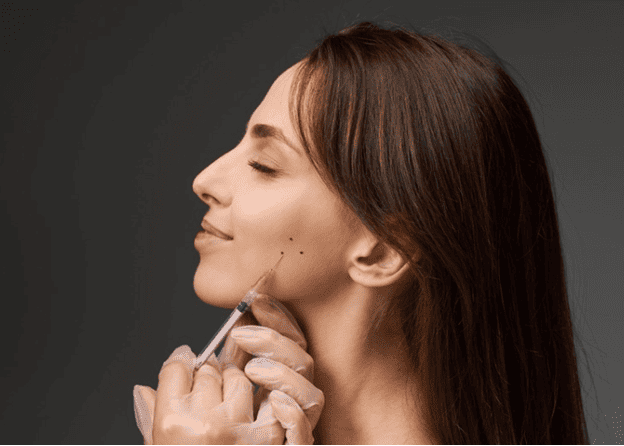
Jaw clenching, teeth grinding, and overactive masseter muscles can contribute to jaw tension and discomfort for some patients. When excessive masseter activity is part of the problem, Botox injections may be considered to temporarily reduce muscle activity and, in some cases, soften the appearance of a prominent lower jaw.
“TMJ Botox” is a commonly used term for Botox treatment intended to address muscle activity associated with jaw clenching or certain temporomandibular disorder symptoms. The treatment described here typically involves injections into the masseter muscles rather than directly into the temporomandibular joint itself.
At Castle Dermatology in Tarzana, our board-certified dermatologists evaluate your symptoms, masseter muscles, facial anatomy, and treatment goals before determining whether Botox may be appropriate. For patients in Tarzana, Encino, Woodland Hills, and the surrounding San Fernando Valley, understanding how treatment works, what to expect, and what influences cost can make the decision easier.
Understanding TMJ Disorders and Masseter Muscle Hypertrophy
What Causes Temporomandibular Joint Pain?
The temporomandibular joint connects your jawbone to your skull and allows movements involved in chewing, speaking, and yawning. Temporomandibular disorders can involve the jaw joint, the muscles used for chewing, or both.
Symptoms may include jaw pain, muscle tenderness, stiffness, headaches, or clicking and popping. Bruxism, or teeth grinding, and persistent clenching can contribute to muscle tension in some patients, particularly when these habits occur repeatedly or during sleep.
Jaw pain can have different causes, however, and not every symptom comes from an overactive masseter. An evaluation is important for determining whether muscle activity may be contributing to your symptoms and whether Botox is an appropriate treatment to consider.
The Role of the Masseter Muscle
The masseter is one of the primary muscles involved in chewing and is located along each side of the lower jaw. Frequent clenching or grinding can place repeated demands on this muscle.
In some patients, the masseter becomes enlarged, a condition known as masseter hypertrophy. A prominent masseter can contribute to a wider or more square appearance through the lower face and may occur alongside jaw tension or soreness.
Also Read: TMJ Botox: What Patients With Chronic Jaw Pain Should Know
How Does Botox Work for Jaw Clenching and Masseter Tension?
Botox contains botulinum toxin type A, which temporarily reduces signaling between nerves and targeted muscles. When carefully injected into the masseter, it decreases the strength of muscle contraction for a period of time.
For patients whose symptoms are associated with excessive masseter activity, reducing the strength of those contractions may help with clenching-related jaw tension or discomfort. Treatment does not address every possible cause of jaw pain, headaches, or temporomandibular disorders, which is why the initial assessment matters.
Because the masseter contributes to chewing, dosing and injection placement should be individualized. Temporary changes in chewing strength or other treatment effects can occur.
Can Masseter Botox Help With Bruxism and Jaw Tension?
Frequent clenching or grinding can contribute to jaw soreness and may be associated with headaches or facial muscle tension. Over time, bruxism can also contribute to dental wear.
When excessive masseter activity is contributing to symptoms, Botox may help reduce the strength of those muscle contractions. The degree of improvement and how long the effects last vary among patients.
Botox also does not address every factor that may contribute to bruxism or temporomandibular disorder symptoms. Depending on the underlying problem, other forms of treatment or evaluation may still be appropriate.
Can Masseter Botox Slim the Lower Face?
It can. When the masseter is enlarged, temporarily reducing its activity may cause the muscle to gradually become less prominent.
For patients with noticeable masseter hypertrophy, this can create a slimmer or softer appearance through the lower face over time. Sometimes called masseter slimming or V-line contouring, this change develops gradually rather than immediately after treatment.
The degree of facial slimming varies with anatomy, muscle size, dosing, and individual treatment response. Patients seeking Botox primarily for jaw tension may therefore notice an aesthetic change as the masseter becomes less prominent, but a particular facial shape cannot be guaranteed.
How Much Does TMJ Botox Cost in Tarzana, Encino, and Woodland Hills?
The cost of masseter Botox depends largely on the amount of product required and the treatment plan developed during your consultation. Larger or stronger masseter muscles may require different dosing than smaller muscles, which is why there is not one standard treatment amount for every patient.
Pricing may be structured per unit or according to the treatment area. Factors that can influence the total cost include:
- The size and strength of the masseter muscles
- The amount of Botox required
- The degree of clenching or masseter activity
- Whether treatment is needed on both sides
- The treatment plan recommended after evaluation
The original draft references pricing of approximately $500 to $1,200 per session, with some San Fernando Valley practices charging approximately $15 to $20 or more per unit. Because the source does not establish these figures as Castle Dermatology’s approved pricing, patients should receive current Castle-specific pricing during their consultation.
Also Read: Key Tips to Help You Make the Most of Your BOTOX for TMJ Treatment
TMJ Botox vs. Other Approaches for Jaw Clenching
Botox is not the only approach that may be considered for jaw clenching, bruxism, or related discomfort. The appropriate treatment depends on what is contributing to the symptoms and what the treatment is intended to accomplish.
Masseter Botox temporarily reduces activity in the injected masseter muscles. For appropriately selected patients, it may be considered when excessive muscle activity is contributing to clenching or tension. Changes generally develop gradually rather than immediately.
Custom dental night guards provide a physical barrier between the teeth and may help protect them from the effects of nighttime grinding. They work differently from Botox because they do not directly reduce masseter muscle activity.
Other treatments may also be considered depending on the source of the symptoms. Botox should therefore be viewed as one potential option rather than a replacement for every other form of TMJ or bruxism care.
What to Expect During Your TMJ Botox Visit at Castle Dermatology
Every treatment begins with an evaluation. Your provider assesses your symptoms and masseter muscles before determining whether Botox is appropriate and developing an individualized treatment plan.
1. Jaw and Masseter Assessment
Your provider evaluates the masseter muscles and areas of tension or clenching. This assessment helps determine whether excessive muscle activity appears to be contributing to your concerns and informs the treatment plan.
2. Injection Planning and Comfort
Injection points are selected based on your anatomy and assessment. Ice or another comfort measure may be used when appropriate.
3. Masseter Injections
Botox is injected into targeted areas of the masseter muscle. The injection portion of the appointment is generally brief.
4. After Treatment
Most patients can return to many normal activities after treatment. Your provider will give you specific aftercare instructions and explain whether any temporary activity precautions apply.
The effects are not immediate. Changes in muscle activity generally develop gradually after treatment, and your individual response and duration of effect can vary.
Why Choose Castle Dermatology for TMJ Botox in Tarzana?
Treatment by Board-Certified Dermatologists
At Castle Dermatology, TMJ and masseter Botox treatment is performed by board-certified dermatologists with training in facial anatomy and injectable techniques.
Understanding the location and function of the masseter and surrounding structures is important when determining injection placement and individualized dosing. Before recommending treatment, we consider your anatomy, muscle activity, symptoms, and treatment goals rather than relying on a standard injection pattern for every patient.
Conveniently Serving Tarzana, Encino, and Woodland Hills
Our practice is located in Tarzana and serves patients from Encino, Woodland Hills, and communities throughout the San Fernando Valley. Patients interested in treatment for jaw tension, clenching, masseter hypertrophy, or lower-face contouring can begin with an individualized consultation.
Also Read: How Long Does Botox for TMJ Last? Timeline & Expectations
Frequently Asked Questions
How Much Does TMJ Botox Cost in Tarzana, Encino, and Woodland Hills?
Cost varies according to the amount of Botox needed and the individualized treatment plan. Muscle size, muscle strength, treatment goals, and dosing can all affect the total price. Castle Dermatology can provide current pricing based on your recommended treatment during your consultation.
How Long Does It Take for TMJ Botox to Work for Jaw Tension?
Botox does not work immediately. Patients may begin noticing changes in masseter activity during the first couple of weeks after treatment, while other changes can continue developing gradually. The timing and degree of response vary from patient to patient.
Will TMJ Botox Affect My Ability to Chew or Talk?
Botox is placed strategically to reduce activity in the targeted masseter muscles while maintaining necessary jaw function. However, temporary changes in chewing strength or other treatment effects can occur. Your dermatologist will determine dosing and placement based on your anatomy and treatment goals.
How Many Units of Botox Are Needed for Masseter Treatment?
There is no single dose that is appropriate for every patient. The amount depends on factors such as masseter size and strength, anatomy, symptoms, and treatment goals. The original draft references approximately 40 to 60 units or more divided between the masseter muscles, but individual dosing should be determined during evaluation rather than assumed before treatment.
Does TMJ Botox Cause Facial Slimming?
It can. If the masseter muscles are enlarged, reducing their activity may gradually decrease their prominence and create a softer or slimmer appearance through the lower face. The amount of change varies based on anatomy, muscle size, dosing, and individual response.
How Long Do the Effects of Masseter Botox Last?
The effects of Botox are temporary. The original draft describes effects lasting approximately three to six months, although duration varies among patients. Your dermatologist can discuss expected timing based on your treatment plan and response.
How Do I Schedule a TMJ Botox Consultation at Castle Dermatology?
You can request a consultation with our board-certified dermatology team at Castle Dermatology. During your visit, your provider can evaluate your symptoms and masseter muscles, discuss your goals, and determine whether Botox may be appropriate for you.
Find Out Whether Masseter Botox Is Appropriate for You
Jaw tension, clenching, grinding, and changes in masseter size can have different causes, so Botox is not automatically the right treatment for every patient. An evaluation can help determine whether excessive masseter activity may be contributing to your concerns and whether treatment is appropriate.
At Castle Dermatology in Tarzana, our board-certified dermatologists evaluate your symptoms, facial anatomy, masseter activity, and treatment goals before recommending an approach. Schedule a consultation to discuss TMJ and masseter Botox and learn what treatment may involve for you.