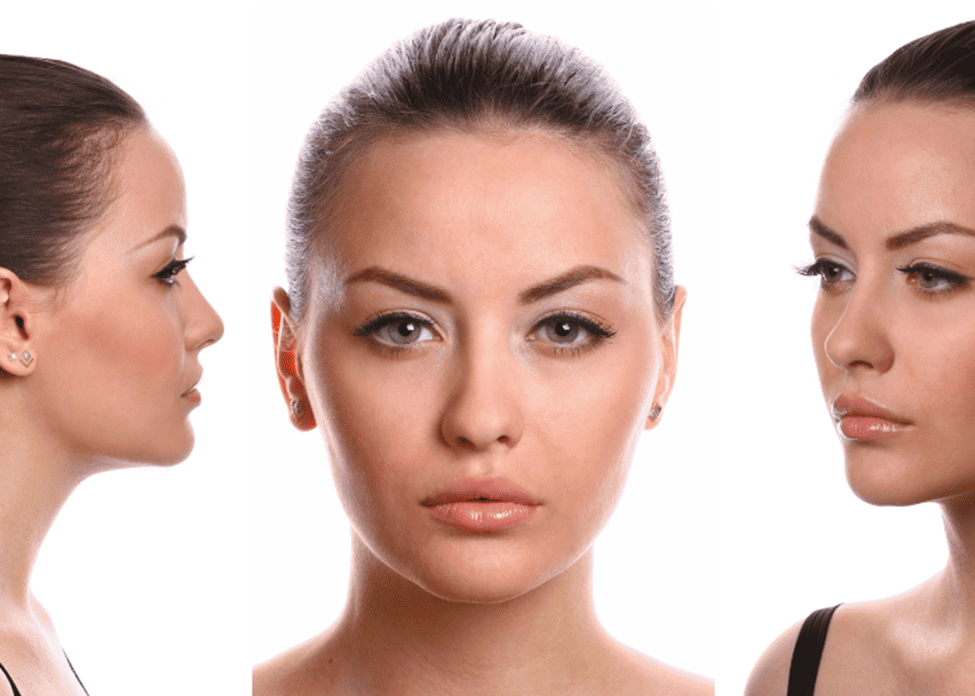
You look in the mirror and notice something new. The skin under your jaw doesn’t sit as tight as it used to. Your brow sits a little lower, and your neck shows lines that weren’t there five years ago. These changes are normal. But that doesn’t make them easy to accept. Many people don’t feel ready for a surgical facelift or weeks of recovery. They want a way to address early signs of aging without the downtime, anesthesia, or permanent changes that come with surgery. That’s why many people start exploring less invasive treatments that can refresh their appearance while fitting more easily into their daily lives.
This is why doctors call Ultherapy a biological treatment, not just a cosmetic one. Your skin isn’t reshaped from the outside. It is prompted to rebuild its own support system from within. That is also why results keep improving for months after just one session.
Target Treatment Areas & Clinical Indications
Ultherapy is FDA-cleared for specific parts of the face, neck, and chest. Each area treats a different concern that patients often bring up during their first visit.
- Eyebrow and upper face lifting: Ultherapy can raise a sagging brow line. This opens up the eye area for patients with hooded lids caused by loose skin, not extra fat.
- Submental and jawline contouring: Treatment under the chin softens the look of jowls. It also helps define the jawline, which is one of the most requested results among patients researching non-invasive jawline tightening.
- Neck tightening: Crepey neck skin and loose bands respond to the same collagen-building process.
- Décolletage rejuvenation: Fine lines across the upper chest, often caused by years of sun exposure, can be smoothed using the same ultrasound technology.
Everyone carries skin laxity a little differently. Some people notice it first in the brow. Others see it in the jawline. Some notice it in all four areas at once. During a consultation at Castle Dermatology Institute, Dr. Peyman Ghasri and Dr. Pedram Ghasri can map out which areas may benefit most based on your skin type and structure.
What Results to Expect: Timeline, Longevity, and Before/After Progression
Ultherapy works by triggering a natural process in your body, so results don’t show up overnight. Instead of producing an immediate dramatic change, the treatment stimulates your body’s natural collagen production, allowing improvements to develop gradually over time. Setting the right expectations from the start leads to a better overall experience. The timeline generally unfolds in three stages.
Immediate Post-Procedure: Subtle Firmness
Right after your treatment, you may notice mild firmness from the initial tightening of collagen fibers. Some patients also experience slight swelling or tenderness, which is a normal part of the healing process. This early effect is subtle and not the main result you’re looking for.
Two to Three Months: Visible Lifting and Definition
Between two and three months, lifting becomes more visible as your body produces new collagen. This often shows up as a sharper jawline, less jowling, smoother skin beneath the chin, or a slightly higher brow. Because the changes develop gradually, many patients find their refreshed appearance looks natural rather than dramatically different.
Six Months and Beyond: Peak Collagen Development
By six months and beyond, collagen production peaks. This new structural support can last one to two years for many patients, helping the skin maintain a firmer, more lifted appearance. While the natural aging process continues, the collagen created after treatment can provide long-lasting improvement compared with the months before treatment.
A few factors affect how long results last. Age plays a role, since collagen production naturally slows with time. This means younger patients often see results last on the longer end of that range. Your body’s natural collagen synthesis rate also influences how much new collagen is produced after treatment.
Lifestyle habits matter, too. Sun protection is especially important because UV rays break down collagen and can shorten how long results last. Smoking, staying well hydrated, maintaining a consistent skin care routine, and following your provider’s recommendations can all help support healthier collagen and extend the benefits of treatment.
Ultherapy vs Other Non-Surgical Options: RF Microneedling, Lasers, and Facelifts
Patients researching non-surgical facelift options often compare several treatments before making a choice. Each treatment works at a different depth and gives a different type of result. Understanding these differences helps show where Ultherapy fits into a bigger treatment plan.
| Treatment | Depth of Action | Downtime | Best For |
| Ultherapy | SMAS layer (up to 4.5mm) | None | Lifting and structural tightening |
| Surgical Facelift | Surgical removal of skin and tissue | 2-4 weeks | Significant, advanced sagging |
| RF Microneedling (Morpheus8/Potenza) | Dermal layer, adjustable depth | 2-4 days | Texture, tone, mild tightening |
| Fractional Lasers | Top skin layers | 3-7 days | Surface texture, sun spots |
Patients searching for different treatment options usually want lifting results, but they aren’t ready for surgery, anesthesia, or a long recovery. Ultherapy reaches the same deep tissue layer as a facelift, but without any cuts. That means no surgical scars and no time away from work or social life.
Ultherapy differs from RF microneedling because it reaches a deeper structural layer. RF microneedling mainly improves surface texture and offers mild tightening near the skin’s surface. Fractional lasers work at an even more surface level. They work best for sun damage or uneven skin tone, not sagging. At Castle Dermatology Institute, these treatments are sometimes combined for a layered rejuvenation plan. Ultherapy provides the structural lift, while RF microneedling or laser treatment adds surface refinement.
The Patient Experience: Preparation, Procedure, and Recovery
One of the most common questions patients ask is what an Ultherapy appointment actually feels like. The process is easy to understand and needs very little planning.
Preparation is minimal. Many patients don’t need to change their routine beforehand. Some choose an over-the-counter pain reliever or a prescribed option if they know they’re sensitive to treatment sensations. During your session, the provider uses the DeepSEE imaging system to map out the treatment area. Then they deliver ultrasound pulses in a set pattern across each zone. Depending on how many areas you’re treating, sessions usually run between 30 and 90 minutes.
Patients often describe a brief warm or tingling feeling as the energy reaches the SMAS layer. This sensation passes quickly with each pulse. After treatment, there is no required downtime. Many people go straight back to work or errands the same day. Some notice mild redness or slight tenderness in the treated area. This usually clears up within a few hours to a day.
Am I an Ideal Candidate for Ultherapy in Tarzana?
Not everyone needs the same level of treatment. Ultherapy works best for a specific stage of skin aging, not every level of sagging. This short checklist can help you decide if it’s right for you.
Ask yourself the following:
- Do you have mild to moderate loose skin on your face, neck, or chest, rather than deep sagging?
- Are you noticing a lower brow line, jowls along the jaw, or looseness under the chin?
- Do you want a natural-looking lift without surgical scars, anesthesia, or cuts?
- Are you looking for a treatment with no time off work or social plans afterward?
- Have you booked a personal evaluation with a board-certified dermatologist to confirm you’re a good fit?
If most of these sound like you, Ultherapy is likely worth talking about at a consultation. Patients in their 30s, 40s, and 50s with early to moderate sagging tend to see the best results. They still have strong collagen-building ability for the treatment to activate.
Check out our blog for more resources.
Conclusion
Ultherapy remains the only FDA-cleared ultrasound treatment built to lift the brow, tighten the neck and jawline, and smooth the chest without surgery. By reaching the SMAS layer with precise, visualized energy, it activates your body’s own collagen-building process. There are no fillers and no incisions involved. The result is a lift that builds gradually over two to six months. It looks like your own skin, just firmer and better supported.
If you’ve noticed early signs of sagging and want a non-surgical option, the next step is a personal evaluation. Dr. Peyman Ghasri and Dr. Pedram Ghasri at Castle Dermatology Institute bring double board-certified expertise to every Ultherapy consultation. They map out your specific concerns and build a treatment plan around your goals. Schedule your consultation to find out if Ultherapy is right for your skin.
Frequently Asked Questions
-
What is Ultherapy, and how does it differ from a surgical facelift?
Ultherapy is a non-invasive ultrasound treatment. It lifts skin by targeting the SMAS layer without any cuts. A facelift involves surgical removal of skin and tissue, along with anesthesia and recovery time.
-
Is Ultherapy FDA-approved, and what areas of the face and body can it treat?
Yes. Ultherapy is FDA-cleared for the brow, chin, neck, and chest area. It treats sagging skin and fine lines in these specific zones.
-
How does real-time ultrasound imaging (DeepSEE) improve the safety and efficacy of Ultherapy?
DeepSEE lets your provider view the target tissue layer on a screen before treatment starts. This confirms accurate placement instead of relying on an estimated depth.
-
Does Ultherapy hurt, and what comfort measures are provided at Castle Dermatology Institute?
Many patients feel brief warmth or tingling during treatment. Comfort options, like over-the-counter or prescribed pain relief, can be discussed before your session.
-
How soon after an Ultherapy treatment session will I start seeing visible skin tightening results?
Some initial firmness may show up right away. Visible lifting usually develops between two and three months as new collagen builds.
-
How many Ultherapy treatment sessions are typically needed to achieve optimal lifting?
Many patients see real results from just one session. Some choose a follow-up treatment based on how their skin responds and their personal goals.
-
How long do the collagen-building results of an Ultherapy procedure last?
Results generally last one to two years. This depends on age, sun protection habits, and lifestyle factors that affect natural collagen production.
-
What is the difference between Ultherapy ultrasound energy and Radiofrequency (RF) microneedling like Morpheus8 or Potenza?
Ultherapy reaches the deeper SMAS layer for structural lifting. RF microneedling works in the skin’s dermal layer to improve texture and offer mild tightening.
-
Is there any downtime required after an Ultherapy session in Tarzana?
No. Ultherapy requires zero downtime. Patients can return to normal activities right after their appointment.
-
Can Ultherapy be combined with Botox, dermal fillers, or laser skin treatments?
Yes. Ultherapy is often paired with these treatments as part of a layered rejuvenation plan. This approach treats both structural and surface concerns.
-
Who is the ideal candidate for Ultherapy skin tightening at Castle Dermatology Institute?
Patients in their 30s, 40s, and 50s with mild to moderate sagging who want to avoid or delay surgery are typically strong candidates.
-
What are the potential temporary side effects or risks associated with Ultherapy?
Mild redness, tenderness, or slight swelling can occur. This usually clears up within a few hours to a day.
-
How does Ultherapy stimulate natural collagen production deep within the skin layers?
Focused ultrasound energy creates controlled points of heat at exact depths. This prompts your body’s fibroblasts to rebuild collagen and elastin over time.
-
What should I avoid doing immediately before and after my Ultherapy treatment?
Patients are generally advised to avoid heavy sun exposure. It’s also best to follow any specific care guidance given during your consultation.
-
How do I schedule a non-surgical skin tightening consultation at Castle Dermatology Institute in Tarzana?
You can schedule a personalized Ultherapy consultation with Dr. Peyman Ghasri or Dr. Pedram Ghasri through their contact page, or call the clinic directly at (818) 344-DERM (3376).