Chronic jaw pain has a way of quietly taking over daily life, affecting how you eat, sleep, concentrate, and even your interactions with others. Over time, that tension can turn into persistent pain, headaches, clicking sounds, facial soreness, or difficulty opening and closing the mouth comfortably.
Many individuals cycle through night guards, anti-inflammatory medications, muscle relaxants, or stress reduction techniques. While these remedies may provide temporary relief, they don’t address the muscle behavior causing the issue. Fortunately, Botox has become a popular treatment option for temporomandibular joint-related pain.
What TMJ Pain Really Is
TMJ pain is often driven by muscle tension rather than joint damage. TMJ pain can also be caused by misalignment of the jaw. As these muscles remain contracted for long periods, they fatigue and become sore. Pain may be felt not only in the jaw, but also in the temples, ears, neck, and shoulders. Some patients experience frequent tension headaches or migraines that originate from jaw muscle strain. Others notice ringing in the ears, a feeling of fullness, or difficulty relaxing the jaw even at rest. TMJ pain can also be caused by misalignment of the jaw.
How Botox Works for TMJ
Botox works by temporarily blocking the nerve signals that cause muscles to contract. When injected into overactive jaw muscles, it reduces excessive clenching and grinding without affecting normal facial movement. The goal is not to paralyze the muscle, but to allow it to relax enough to recover from chronic overuse.
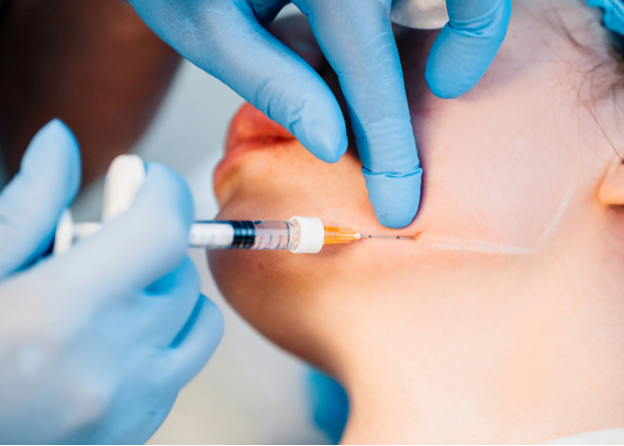
In TMJ treatment, Botox is most commonly injected into the masseter muscles, and in some cases into surrounding muscles that contribute to jaw tension. By decreasing the force of clenching, Botox helps reduce muscle fatigue, inflammation, and the constant strain placed on the temporomandibular joint.
It is important to understand that Botox addresses muscle driven pain, not structural joint problems. It does not reposition the jaw or correct bite alignment. Instead, it reduces the muscular component of TMJ symptoms, which for many patients is the primary source of discomfort.
Also Read: Botox for TMJ: Jaw Pain, Clenching, and Teeth Grinding Relief
Who Is a Good Candidate
TMJ Botox is often considered for patients who experience chronic jaw clenching or grinding, especially when symptoms persist despite other treatments. People who wake up with jaw soreness, headaches, or facial tightness are common candidates.
TMJ Botox is frequently explored by individuals who have tried night guards or physical therapy without adequate relief. In these cases, Botox can either serve as an alternative or as part of a broader treatment plan.
Not everyone is a candidate. Patients whose pain is primarily caused by advanced joint degeneration, arthritis, or significant bite abnormalities may require additional evaluation or different interventions. A thorough assessment is essential to determine whether muscle relaxation will address the root cause of symptoms.
What Treatment Feels Like
The treatment itself is relatively quick and typically performed in an outpatient setting. During the appointment, the provider identifies the specific muscles contributing to tension. Injections are placed strategically to ensure balanced muscle relaxation.
Many patients describe the injections as brief and tolerable. The needles used are very fine, and discomfort is usually minimal. The entire process often takes less than thirty minutes, making it easy to fit into a busy schedule.
After treatment, patients can generally return to normal activities right away. Mild soreness, tenderness, or a feeling of heaviness in the jaw may occur temporarily. These effects usually resolve within a few days.
When Relief Begins and How Long It Lasts
TMJ Botox does not work instantly. Most patients notice symptom improvement within one to two weeks. Jaw tension often decreases first, followed by a reduction in headaches or facial pain.
The effects of Botox typically last three to four months. Over time, muscle activity slowly returns, which is why repeat treatments may be recommended. Maintenance schedules vary.
Also Read: How Long Does Botox for TMJ Last? Timeline & Expectations
Benefits Beyond Pain Relief
While pain reduction is the primary goal, many patients notice additional benefits. Reduced clenching often leads to fewer tension headaches and migraines. Improved sleep quality is another common outcome, especially for those who grind their teeth at night. Less grinding also protects teeth from excessive wear, fractures, or sensitivity.
Some patients observe subtle facial slimming as their masseter muscles decrease in size over time. This effect is secondary and varies from person to person. It is not the focus of medical TMJ treatment, but it can be a welcome side effect for some individuals.
TMJ Botox vs Other Treatments
Night guards are often the first line of treatment for grinding and clenching. They protect teeth but do not stop muscle activity. Botox can reduce the force behind clenching, making guards more effective or less necessary for some patients.
Physical therapy focuses on improving jaw mobility, posture, and muscle balance. It can be very helpful, particularly when combined with Botox for patients with severe muscle tension.
Anti-inflammatories, muscle relaxants, and other medications may offer short-term relief but are not ideal for long-term use.
Biometric dentistry and bite correction aim to address structural causes of TMJ pain. These approaches can be effective but often require significant time and investment. Botox is often used with these treatments to manage symptoms during the process.
Safety and Side Effects
When administered by an experienced provider, TMJ Botox is considered safe. Common side effects include temporary soreness, mild swelling, or bruising at injection sites. Some patients experience temporary weakness when chewing very firm foods, which typically resolves as muscles adapt.
Rare risks include uneven muscle relaxation or changes in bite feel, which is why precise technique and dosing are essential. Choosing a provider with experience in facial anatomy and TMJ treatment reduces these risks significantly.
Also Read: BOTOX for TMJ: Benefits, Risks, and What to Know
What Patients Should Ask During Consultation
A consultation is an opportunity to understand how TMJ Botox fits into your overall care. Patients should ask how many units are typically recommended and which muscles will be treated. Understanding the expected duration of relief helps with planning and budgeting.
It is also important to discuss long term treatment strategy. Will Botox be a standalone option, or part of a broader plan that includes dental or physical therapy? Cost considerations and maintenance frequency should be reviewed openly.
Conclusion
TMJ Botox can be a powerful tool for patients whose jaw pain is driven by muscle overuse. For many, it offers relief when other options have fallen short. Practices like Castle Dermatology emphasize individualized evaluation, ensuring treatment aligns with each patient’s specific symptoms and goals. Patients who want to explore whether this approach may be appropriate can learn more about TMJ Botox and schedule a personalized consultation through Castle Dermatology as part of a broader plan for long-term jaw health.